Spray Foam Workers' Comp: Class Codes That Actually Fit Your Crew
By Josh Cotner
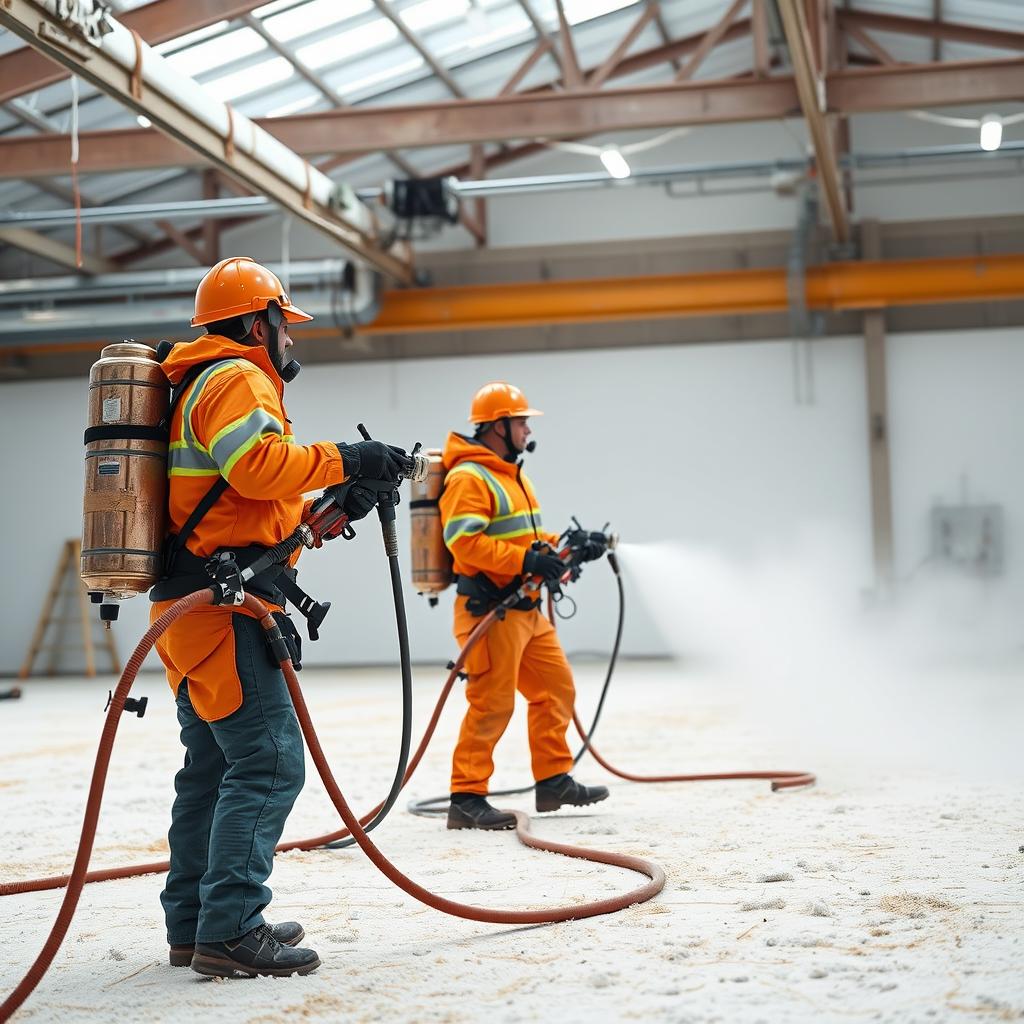
Spray Foam Workers' Comp: Class Codes That Actually Fit Your Crew
Spray foam application is some of the most hazardous specialty work in the construction trades. Chemical exposure, working at heights, confined spaces, heavy proportioning equipment, and high-pressure hoses all add up to a high-hazard workers' comp profile — and in most states, workers' comp is mandatory the moment you have employees.
So why do so many spray foam contractors end up with the wrong class codes — and overpaying or undercovered as a result?
Why Class Codes Matter
Workers' comp premium is built on classification codes — standardized codes that match a job's hazard to a rate. The right codes reflect your crew's actual work; the wrong codes create two expensive problems:
- Overpayment. If your office staff and sales team are lumped into the applicator hazard code, you're paying far more than you should.
- Undercoverage and audit surprises. If spray foam labor is misclassified into a lower-hazard code to save premium, the policy isn't priced for the real exposure — and a premium audit can produce a large back bill or a coverage dispute at claim time.
A Spray Foam Operation Carries Several Codes
Most spray foam contractors don't have one job role — they have several, and each should carry its own code:
- Spray foam applicators — the highest-hazard role (chemical exposure, PPE, heights, confined spaces)
- Equipment operators and rig drivers — operating and moving proportioning rigs between job sites
- Helpers and laborers — prep work, masking, cleanup
- Office staff — clerical, estimating, admin — the lowest-hazard code
When everything gets dumped into a single "insulation contractor" code, you almost always get the rating wrong in one direction or the other. Correct, separate codes match the premium to the real exposure.
The High-Hazard Reality of Spray Foam Work
The injury patterns on spray foam jobs justify the high-hazard codes — and the coverage that goes with them:
- Chemical exposure injuries — isocyanates and polyols require full PPE; exposure incidents are serious
- Falls from height — attic, roof, and wall applications involve ladders and elevated work surfaces
- Confined-space injuries — crawl spaces, tanks, and enclosed structures
- High-pressure equipment injuries — hose failures, gun malfunctions, proportioner incidents
- Heat stress — fully suited applicators in summer attic work carry real heat exposure risk
These are exactly the claims workers' comp is designed to cover — medical treatment, disability and lost-wage benefits, and employers' liability protection.
Subcontractor and 1099 Labor
1099 applicators hired as subcontractors still need to be addressed. If a "subcontractor" doesn't carry their own workers' comp, most states will treat them as your employees at audit — and your carrier will pick up the exposure and the premium. The only clean solution is requiring a certificate of insurance from every sub you use, and verifying the coverage before they set foot on a job.
How to Get It Right
If you're not sure your codes are correct, three steps:
- List your actual job roles and headcount for each — applicators, helpers, drivers, office.
- Match each to the right hazard code, not a single generic contractor code.
- Reflect your real payroll, including any subcontractors who don't carry their own coverage.
We class-code spray foam labor to the actual workflow, and we structure the program to cover your real crew and payroll — so you're neither overpaying nor exposed when a claim happens. If your current workers' comp hasn't been reviewed against your real operation, it's worth a 15-minute conversation.
Have a spray foam insurance question?
Get a real quote in about 15 minutes — I shop A-rated specialty markets built for spray foam contractors.