Spray Foam Chemical Exposure: Why Your GL Excludes Pollution Claims
By Josh Cotner
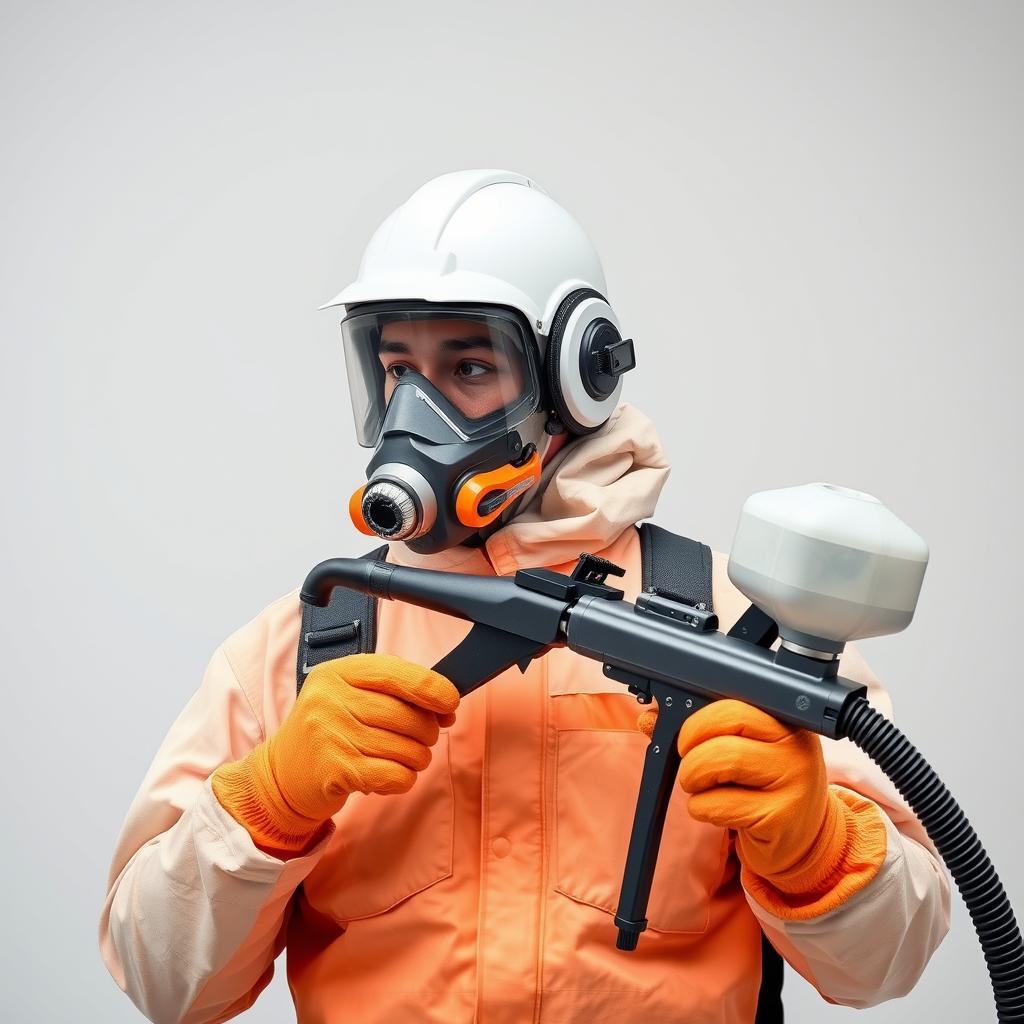
Spray Foam Chemical Exposure: Why Your GL Excludes Pollution Claims
Of all the exposures in spray foam contracting, chemical exposure is the one most likely to produce a six-figure third-party claim — and the one most likely to be uncovered by a standard policy.
Here's why, and what to do about it.
The Pollution Exclusion in Plain English
Nearly every commercial general liability (GL) policy contains a pollution exclusion. The exact wording varies, but the effect is the same: the policy does not pay for bodily injury or property damage arising out of the discharge, dispersal, release, or escape of pollutants — and chemicals, including isocyanates and amine catalysts used in spray foam, are treated as pollutants.
That means the most common chemical-exposure claims in spray foam are excluded from a standard GL:
- An occupant returns to a building too soon after foam application and experiences respiratory symptoms
- Isocyanate off-gassing from improperly cured foam causes chemical sensitivity in building occupants
- A neighboring unit or space is contaminated during a foam application
- A client claims personal injury from chemical exposure during or after an application
Without contractor pollution liability (CPL), the spray foam contractor pays defense and settlement costs out of pocket.
Sudden vs. Gradual — the Coverage Split
Pollution liability comes in two flavors, and the difference matters for spray foam:
- Sudden and accidental coverage pays for an abrupt release — a proportioner failure that sprays raw chemical, an accidental over-application, an immediate exposure incident.
- Gradual / non-sudden coverage pays for slow releases — off-gassing from foam that continues to release volatile compounds over days or weeks after application.
Most real spray foam claims combine both. An immediate occupant exposure is sudden; the continued off-gassing from under-cured foam is gradual. Spray foam contractors usually need both, and the cheapest CPL quotes cover only sudden.
What Contractor Pollution Liability Actually Covers
A well-structured CPL policy for spray foam covers:
- Third-party bodily injury from chemical exposure during or after application
- Property damage from contamination or off-gassing
- Defense costs for pollution-related claims and lawsuits
- Both sudden and gradual releases from the spray foam application process
- Isocyanate, amine catalyst, and blowing-agent exposure claims
Your Safety Practices Are Your Best Friend
The same practices OSHA and EPA want to see are exactly what underwriters want to see. Documented re-entry protocols, ventilation procedures, PPE requirements for occupants, and post-application air testing don't just reduce your real-world risk — they materially improve both the placement and the price of CPL coverage.
When we place CPL for spray foam contractors, we help you package that documentation so underwriters see a safety-conscious contractor, not a worst-case risk.
What If You've Been Declined?
It happens. Some standard carriers decline spray foam contractors over the chemical exposure profile, a prior claim, or simply inexperience with the trade. That doesn't mean you're uninsurable — it means you need a specialty market that understands spray foam work.
We have specialty and excess-and-surplus (E&S) markets for spray foam contractors. Bring us your situation — even if you've been declined — and we'll find a path.
Every spray foam contractor carries chemical exposure risk. The only question is whether it's covered. If your current policy relies on the GL form alone, it probably isn't.
Have a spray foam insurance question?
Get a real quote in about 15 minutes — I shop A-rated specialty markets built for spray foam contractors.