General Liability for spray foam contractors
General liability is the foundation of every spray foam contractor's insurance program — and the policy every GC, developer, and building owner requires before you step on a job site. I place GL programs built for the foam trade, with the completed-operations coverage and limits spray foam work actually demands.
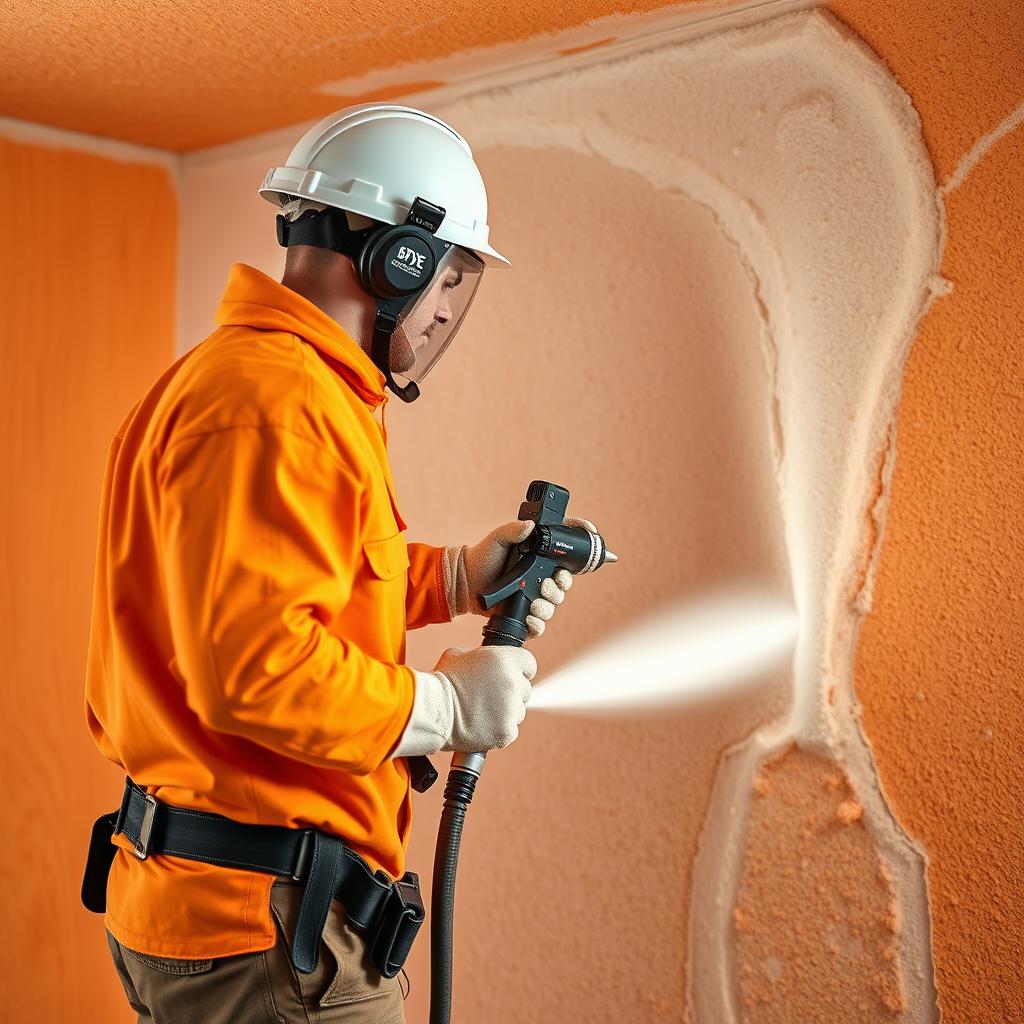
What it covers
- Third-party bodily injury on job sites and completed projects
- Property damage caused by spray foam application or operations
- Completed-operations coverage for claims arising after job completion
- Personal and advertising injury
- Defense costs and legal fees for covered claims
- Products-completed operations aggregate for foam contractor exposures
Who it's for
- Owner-operators and spray foam crews who need GL to work
- Contractors required to provide certificates to GCs or building owners
- Operations doing residential open-cell or commercial closed-cell foam
- Any spray foam contractor who needs more than a generic contractor policy
Why me
- GL structured with completed-operations coverage spray foam contractors actually need
- Certificate-ready programs that meet GC requirements in all 50 states
- Specialty markets that understand spray foam — not standard contractor carriers that don't
Common questions about general liability
It can — but many standard GL policies contain exclusions that specifically hit spray foam contractors: off-ratio exclusions, pollution exclusions for isocyanates, and completed-operations carve-outs for chemical applications. I place GL programs that don't have those hidden gaps.
Most carry $1M per occurrence / $2M aggregate as a minimum — required by most GC contracts. Commercial jobs often require $2M per occurrence, and I add a commercial umbrella above that when the project demands higher limits.
Yes — completed-operations coverage is what responds to claims arising after you've left the job site. It's included in your GL aggregate, and it's one of the most important parts of a spray foam GL program because foam failures often show up months or years after installation.
Not under most standard GL policies — off-ratio foam is typically excluded. That's why off-ratio coverage is a separate line I add to every spray foam program. I make sure your GL and off-ratio coverage work together so a ratio-related claim doesn't fall through the gap.
Yes. Once your program is bound, certificates go out fast — I know how urgent job-site timing can be, and I don't make contractors wait days for a COI.
Cost depends on revenue, crew size, rig count, open-cell vs. closed-cell, commercial vs. residential work, loss history, and which states you operate in. I quote your actual operation in about 15 minutes — not a generic ballpark from a standard contractor form.
Yes. I'm licensed in all 50 states and write spray foam contractor programs nationwide — Texas, Florida, the Southeast, Midwest, Northeast, California, and everywhere in between.
Typically 15 minutes on a call. I know the spray foam market and go straight to the right carriers. Larger or more complex programs take a day or two, but I set expectations upfront.
Often yes. I have admitted and E&S markets for spray foam contractors with prior loss runs, off-ratio claims, or completed-operations issues that standard carriers won't touch. Bring me your situation and I'll find a path.
Yes. A coordinated program closes gaps between policies — especially between GL, off-ratio, and pollution liability — and typically costs less than separate policies from separate carriers. It's also far cleaner when a claim hits.
A.M. Best ratings reflect a carrier's financial strength and ability to pay claims. I place coverage with A-rated carriers so the policy is there when a completed-operations claim, off-ratio denial dispute, or pollution claim hits.
Yes. I write programs for contractors doing open-cell residential, closed-cell commercial, and everything in between — including contractors who work across both segments with different crews and equipment.
Revenue, crew size and payroll, rig and equipment list, open-cell vs. closed-cell work, commercial vs. residential breakdown, states worked, current coverage, and loss history. The more detail, the more accurate the quote — and the faster I can get it back to you.
It can, with the right endorsement. If you sub out work or use independent crews, we need to structure your GL and workers' comp to cover those exposures — both your liability for their work and the workers' comp gap if a subcontractor's crew isn't properly covered.
In most states, yes. Contractor licensing typically requires proof of general liability and workers' comp before a license is issued — and many GCs and project owners require certificates before you can start work. I handle the bonding too if your state requires a license bond.
GCs on commercial jobs often require $2M per occurrence or higher, plus additional insured status and waiver of subrogation. I structure programs that meet standard GC certificate requirements — and add a commercial umbrella when the project requires limits above what GL alone can provide.
Yes. If you run multiple rigs with separate crews across multiple sites, I build one coordinated program so there are no gaps in GL, equipment, or workers' comp coverage as your crews move between jobs.
Yes. Removal adds its own exposures — especially if you're removing older foam or fiberglass and dealing with debris, dust, and chemical exposure. I factor removal into the class coding and make sure your workers' comp and liability both reflect the actual scope of work.
A bond is a guarantee to a third party (like a state licensing board or a project owner) that you'll perform your obligations. Insurance protects you from losses. Most spray foam contractors need both — insurance for their own risk, and a bond to satisfy licensing or contract requirements. I handle both.
Pair it with related coverage
Ready to talk spray foam insurance?
I quote spray foam contractor insurance in 15 minutes — GL, off-ratio, pollution, workers' comp, equipment, and commercial auto. Call or get a quote now.